The right color temperature for a child's night light can greatly impact their comfort and sleep quality. Many parents wonder, "What color temperature is best for a child's night light?" In 2026, advancements in lighting technology offer various options. The color temperature of light influences mood and restfulness.
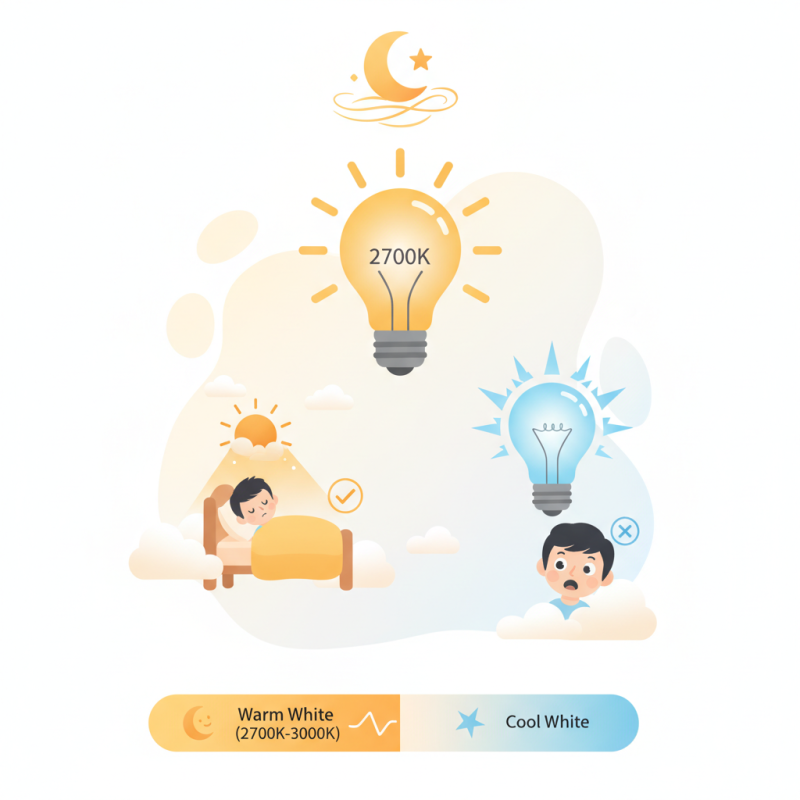
Studies suggest warm white light, around 2700K to 3000K, is ideal. This range mimics natural sunlight during sunset, promoting relaxation. It is comforting and less disruptive to sleep cycles. Bright, cool white light can be harsh and overstimulating, especially during nighttime.
Choosing a night light is not just about brightness. It's also about creating a soothing environment. Some parents may overlook the effect of color temperature, focusing solely on design or features. Understanding the role of lighting can enhance a child's bedtime routine. It is essential to prioritize comfort and calmness for a peaceful sleep atmosphere.
Understanding Color Temperature: Importance for Night Lights
When choosing a night light for your child, understanding color temperature is essential. It affects their sleep and overall comfort. Color temperature is measured in Kelvin (K). Lower values, like 2700K, produce a warm, calming light, while higher values create a cooler, more stimulating effect. For bedtime, warmer tones are usually better.
Warm light mimics the sunset, signaling it’s time to wind down. It can help your child relax before sleep. Bright, cool light can keep them alert, making it difficult for them to fall asleep. Consider the specific needs of your child. Do they prefer a soft glow or a brighter light? This preference can affect their sleep quality.
Tips: Select dimmable lights. This allows adjustments for early bedtimes. Test different color temperatures to see what soothes your child best. Avoid using bright blue light at night; it can interfere with melatonin production. Establishing a calming bedtime routine, while considering color temperature, will foster a peaceful sleep environment.
Recommended Color Temperature Ranges for Children's Night Lights
When choosing a night light for your child, color temperature plays a crucial role. Experts recommend a range between 2700K to 3000K. This range emits a warm, soft glow that mimics candlelight. Such a light helps create a soothing atmosphere, promoting relaxation and better sleep.
Bright white or blue-toned lights can be disruptive. They may interfere with melatonin production and hinder restful sleep. It's important to consider this when selecting a night light. Opting for dimmable options can be beneficial too. You can adjust the brightness to fit your child's needs.
Parents often overlook the impact of light color. A harsh light can lead to bedtime resistance. Using a warmer color helps signal to the brain that it’s time to wind down. It's not only about aesthetics but also functionality. Each child may respond differently to light levels, so experimentation is key. Finding what best suits your child may take time and reflection.
Benefits of Using Warm vs. Cool Color Temperatures at Night
Choosing the right color temperature for your child's night light can significantly impact their sleep quality. Research indicates that warm light, with a color temperature around 2700K, promotes relaxation. This temperature mimics the sunset, sending signals to the brain that it's time to wind down. A study published by the Lighting Research Center highlights that warm lights can reduce melatonin suppression, which is essential for a restful night.
On the other hand, cool light, typically above 4000K, can disrupt this process. Cool colors mimic daylight and could keep children alert. This may increase difficulty in falling asleep. According to a study in the Journal of Sleep Research, children exposed to blue-enriched light struggled more with sleep onset. These findings underline the importance of warm light for bedtime routines.
Tips: When selecting a night light, opt for adjustable color temperatures. A dimmer switch can be helpful. If your child has trouble sleeping, consider a lower brightness level. Remember, the goal is to create a calming atmosphere. It’s important to reflect on how different lights affect sleep patterns. Each child is unique, so paying attention to their reactions to different colors can guide your choices.
Impact of Color Temperature on Child Sleep Patterns and Comfort
Choosing the right color temperature for your child's night light can influence their sleep quality. Research suggests that warmer light, around 2700K, creates a calming environment. This color mimics sunset, signaling to the brain that it’s time to wind down. Cooler temperatures, like 4000K, can stimulate alertness. This response might keep kids more awake when they should be sleeping.
Children's sleep patterns are fragile. Lights that are too bright or too cool can disrupt their natural rhythms. For example, a blue-tinged light might cause increased wakefulness. Parents should observe how their children react to different light colors. It’s essential to find that balance between visibility and comfort. A dim, warm light can help ease anxiety before sleep. However, each child is unique, so preferences might vary.
Think about how your child behaves in different lighting. If they wake up frequently, that could be a sign the light is unsuitable. Testing various temperatures and intensities can be helpful. Sometimes, a simple change can make a difference. Frequent adjustments may feel frustrating, but understanding these aspects is vital. Prioritizing a peaceful sleep environment can lead to more rested and happier children.
Impact of Color Temperature on Child Sleep Patterns and Comfort
Future Trends in Night Light Technology: What to Expect in 2026
As we look toward 2026, the technology behind night lights is evolving rapidly. A key aspect is the color temperature, which plays a crucial role in children's sleep quality. Recent studies suggest that warmer light, around 2700K to 3000K, helps promote relaxation and a restful environment. Research from the Lighting Research Center highlights that exposure to certain wavelengths can affect melatonin production, crucial for sleep rhythms.
We can also expect advancements in smart night light technology. A growing number of devices will integrate with home automation systems. This allows parents to adjust brightness and color temperature remotely. Reports indicate that 65% of consumers prefer customizable lighting options for their children’s rooms. However, the challenge remains in ensuring that these smart devices do not disrupt sleep patterns with excessive blue light exposure.
While innovation is promising, reflection on usability is important. Parents seek reliability and ease of use, yet many products still fall short in user-friendly designs. Understanding parents' needs will be vital in shaping future trends. Remember, the balance between advanced features and practical usability is essential.
Best Color Temperature for Child's Night Light in 2026
| Color Temperature (Kelvin) |
Effect on Sleep |
Recommended for Age Group |
Usage Scenario |
| 2700 - 3000 K |
Promotes relaxation and sleep |
All age groups |
Bedtime routine |
| 3000 - 3500 K |
Neutral, not overly bright |
Toddlers |
General use |
| 4000 - 4500 K |
Avoids overstimulation |
Older children |
Reading light |
| 5000 - 6500 K |
May disrupt melatonin production |
Not recommended |
Not advisable for night use |
FAQS
: Warm light around 2700K is best for relaxation and sleep.
Cool light above 4000K can keep children alert and disrupt sleep onset.
Melatonin regulates sleep patterns, and its production can be affected by light exposure.
Parents should observe their child's reactions and adjust the brightness and color accordingly.
Expect smarter night lights with adjustable brightness and color options integrated into home systems.
It can ease anxiety before sleep, promoting a more peaceful sleep environment.
Frequent adjustments might be frustrating, but understanding light impact on sleep is important.
Each child is unique, and their preferences for light colors and brightness levels can differ.
Conclusion
As we look ahead to 2026, understanding what color temperature is best for a child's night light becomes increasingly crucial for promoting healthy sleep environments. Night lights serve not only as comforting guides in the dark but also play a significant role in regulating sleep patterns for children. The recommended color temperature range for children's night lights typically falls between 2700K to 3000K, where warm colors create a soothing atmosphere, essential for relaxation and a smooth transition to sleep.
In addition to enhancing comfort, studies indicate that warm color temperatures help minimize disruptions to melatonin production, fostering better sleep quality. Conversely, cooler color temperatures can be stimulating and may interfere with a child's ability to settle down. By considering these factors and staying attuned to future trends in night light technology, parents can make informed choices that support their child's nighttime routine and overall well-being.

 LuxPower Light