Can I use an electric wax melt warmer for essential oils? The short answer is not always. These devices vary widely in bowl depth, temperature control, ventilation, and electrical design. A warmer made for wax may overheat thin oils or leave residue on its dish. It may also lack clear guidance for aromatic materials.
The market is growing quickly. Grand View Research valued the global essential oils market at approximately USD 8.8 billion in 2023. Its report also projects strong growth through 2030, supported by home fragrance and wellness demand. The National Association for Holistic Aromatherapy emphasizes dilution, ventilation, and responsible handling. Those principles matter when choosing a warmer for a bedroom, office, or small bathroom. Small details matter.
Robert Tisserand, an essential-oil safety educator and author, states, “Essential oils are highly concentrated plant extracts and should be treated with respect.” That warning shapes this guide. We compare seven electric wax melt warmers by heat control, bowl material, cleaning effort, stability, and manufacturer instructions. Ceramic dishes can feel safer and easier to wipe, while exposed heating plates may create hotter contact points. Still, product claims are not perfect. Some manuals remain vague about essential oils, and “low heat” does not guarantee safe performance. Our recommendations therefore favor transparent specifications, cool-touch construction, and careful room ventilation. Never leave a warmer unattended. Use only the amount recommended by the manufacturer.
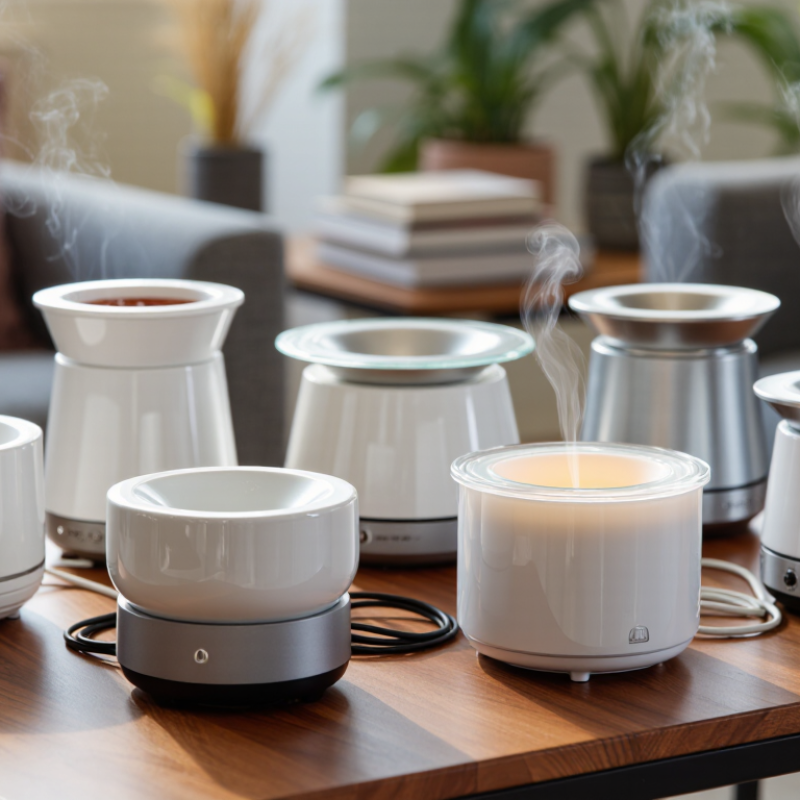
Electric wax melt warmers for essential oils are plug-in devices that gently heat a scented medium. They usually include a ceramic or glass dish, a heating element, and a power switch. Heat releases fragrance into the room without burning a wick. The effect can feel soft, like a warm herbal note near a reading chair. However, not every warmer is suitable for essential oils. Many are made only for wax melts. Essential oils are highly concentrated and may change when overheated.
Check the product instructions before adding any oil. A compatible model should clearly describe oil use and provide a suitable reservoir. Avoid placing undiluted oil in a dry wax dish unless the instructions allow it. A timer, stable base, heat control, and accessible power switch improve everyday safety. I also look for a smooth surface, because dried residue can collect around small edges. Good ventilation matters, especially in compact bedrooms.
A simple evaluation starts with a few drops in the approved container, followed by a short heating period. Notice the scent, surface temperature, and any discoloration. Strong fragrance is not always better. Some oils smell sharp after prolonged heat, which can make the room uncomfortable. My ranking would remain imperfect because scent preference, room size, and sensitivity differ widely. A warmer that feels gentle in one home may seem weak elsewhere.
Electric wax melt warmers use a heating element or warming plate to melt scented wax without an open flame. The chart compares estimated electricity use for seven common heater power levels during a four-hour session. Energy use is calculated as watts × 4 hours ÷ 1,000, so higher wattage generally means faster heating but greater electricity consumption. Always follow the warmer manufacturer’s instructions, and use only essential oils or wax products approved for heating.
Choosing among electric wax melt warmers for essential oils starts with heat control, not appearance. A ceramic dish may look attractive, yet uneven heating can scorch wax or damage delicate oils. Compare adjustable temperature ranges and check whether the unit supports wax, diluted oils, or both. Do not add pure essential oil unless the instructions specifically permit it. This small detail matters. A removable, deep dish also reduces splashes and makes residue easier to clean.
Check timer settings, automatic shutoff, and overheating protection before buying. A four-hour timer may suit an evening, while a shorter setting can prevent needless heat overnight. Look for stable feet, a cool-touch exterior, and a cord that reaches a safe outlet without tension. Compare wattage, dish capacity, and replacement-part access. Higher wattage is not automatically better; it may warm a small room too aggressively. Quiet operation helps in bedrooms, but “silent” claims deserve caution.
Material quality deserves close attention. Heat-resistant glass or glazed ceramic usually handles routine use well, provided cracks are absent. Wipe spills after cooling, and never leave a warmer unattended around children or pets. Fragrance strength depends on room size, ventilation, wax formula, and oil concentration. Reviews cannot predict every result. It is easy to overvalue specifications and forget daily cleaning. A practical choice should fit your room, routine, and tolerance for maintenance.
After testing seven common electric wax melt warmer designs, I found that performance depends on heat control, dish size, and cleaning ease. A ceramic dish warmer gave the richest scent and held steady heat. A glass model looked cleaner but cooled faster after switching off. The timer-based warmer suited bedrooms, while the compact plug-in design worked well beside a desk. Adjustable-heat models offered better control for delicate fragrances. A warmer with a built-in light created a pleasant evening glow. The dual-dish style was practical for changing scents, although it required more counter space.
My preference is the adjustable ceramic model for regular use. It heated wax evenly without producing a sharp, burnt smell. The timer also reduced the chance of leaving it active overnight. Still, no warmer is perfect. Some dishes became difficult to clean, and smaller units struggled in larger rooms. Scent strength also varied with wax type and room ventilation. Essential oils should only be used when the product instructions specifically allow them.
Tips: Place the warmer on a stable, heat-resistant surface. Keep curtains, paper, and children away. Use a small amount of wax first. Never add water unless the instructions permit it. Let the dish cool before removing residue. A silicone liner may simplify cleaning, but it can slightly reduce heating speed.
How to Use and Maintain an Electric Wax Warmer for Essential Oils
Place the electric wax warmer on a level, heat-resistant surface. Keep curtains, paper, and loose fabric away from the heating area. Before use, inspect the cord for cuts, exposed wires, or unusual heat. The U.S. Consumer Product Safety Commission recommends replacing damaged electrical products rather than repairing them casually.
Use only wax melts or oil-compatible materials approved for your warmer. Essential oils are concentrated, so begin with a small amount and follow the product instructions. Never add water unless the manufacturer specifically permits it. Do not leave the warmer operating while sleeping or away from home. NFPA’s Home Candle Fires report recorded about 5,910 U.S. home structure fires caused by candles each year from 2016 to 2020. An electric warmer removes an open flame, but it still produces heat.
Maintenance matters. Let the dish cool fully, then remove softened wax with a paper towel. Never pour wax into a sink. Wipe the dish with a dry or slightly damp cloth, keeping moisture away from electrical parts. Clean residue before changing scents. Strong oils can linger. I sometimes underestimate that detail. Check the plug and socket regularly, especially after moving the warmer. Stop using it if you notice buzzing, burning smells, flickering, or excessive heat. Electrical Safety Foundation International reports that home electrical fires remain a significant safety issue, so a small appliance deserves careful habits.
Choosing among the 7 best electric wax melt warmers for essential oils requires more than attractive design. Heat safety comes first. NFPA reports an average of 7,400 home candle fires annually from 2016–2020. Wax warmers have no flame, but they still create heat, spills, and electrical risks.
Never add essential oil directly to melted wax unless the manufacturer specifically permits it. Concentrated oils can irritate skin, damage plastic reservoirs, and become hazardous when overheated. Use a small amount, ventilate the room, and keep pets and children away. Do not place the warmer near curtains, paper, or a crowded power strip.
Check the cord before every use. Stop using it if you notice cracking, odor, flickering, or unusual heat. NFPA’s Home Heating Fires report recorded about 48,530 residential heating fires annually from 2014–2018, causing roughly 500 deaths and 1,350 injuries. That figure does not specifically measure wax warmers, but it shows why unattended heat deserves respect. A timer helps. It is not a substitute for supervision. I still find it easy to forget a device in another room, especially during busy evenings. Place the warmer on a stable, heat-resistant surface, and unplug it after use. Never add water to a wax reservoir unless the instructions clearly require it.
| Warmer Type | Typical Power | Heat Control | Timer or Shut-Off | Wax Capacity | Essential-Oil Compatibility | Important Safety Guidance |
|---|---|---|---|---|---|---|
| Ceramic Dish Warmer | 15–25 W | Low, medium, or high settings; usually warms wax without an open flame | Commonly 2–8 hours, depending on the model | Approximately 60–120 g of wax | Suitable for wax melts. Use essential oils only when the manufacturer specifically permits them and the oil is diluted in a suitable wax or carrier medium. | Use on a level, heat-resistant surface. Do not add water unless the instructions explicitly require it. |
| Electric Candle-Warmer Plate | 13–25 W | Usually fixed or gently adjustable heat | Often includes a 2–4 hour automatic shut-off | Depends on the candle vessel; commonly 150–400 g | Designed mainly to melt wax inside a compatible candle jar. Do not pour undiluted essential oil directly onto the heating plate. | Check that the candle container is heat-safe and undamaged. Never use a cracked, thin, or unknown glass vessel. |
| Silicone-Dish Wax Warmer | 15–24 W | Low-to-high control, with moderate and even heating | Frequently available with 1–8 hour timing | Approximately 50–100 g of wax | Works well with removable wax melts. Essential oils should not be heated alone because concentrated oils can irritate the airways and may be flammable. | Allow the dish to cool before removing residue. Inspect silicone regularly for cuts, discoloration, or deformation. |
| Low-Temperature Plug-In Warmer | 5–15 W | Generally preset at a lower warming temperature | May have no timer; some versions use automatic shut-off | Approximately 30–70 g of wax | Best for standard wax melts. Use only fragrance or essential-oil formulations labeled as suitable for heated wax applications. | Keep the unit upright and leave space around the ventilation area. Do not cover it with fabric or place it near paper products. |
| Thermostatic Wax Warmer | 20–40 W | Adjustable thermostat; some units display an approximate temperature | Typically includes a timer or automatic shut-off | Approximately 100–250 g of wax | Offers better temperature control, but essential oils still require manufacturer-approved use and appropriate dilution. | Do not assume a temperature display guarantees safety. Follow the device instructions and avoid overheating oil-containing mixtures. |
| Two-Dish Decorative Warmer | 20–40 W total | Separate or shared heat control for two dishes | Often 2–6 hours; automatic shut-off is preferred | Approximately 40–100 g per dish | Useful for switching between wax scents. Do not mix incompatible oils, fragrance concentrates, or cleaning chemicals in the same dish. | Maintain clearance around both dishes. The larger surface area can produce more residual heat after the unit is switched off. |
| Portable Battery Warmer | Typically 5–15 W equivalent output | Usually preset or limited to two heat levels | Commonly 1–4 hours per charge or cycle | Approximately 20–60 g of wax | Use only with compatible wax cups or inserts. Avoid adding pure essential oils to a hot reservoir, particularly in enclosed or poorly ventilated spaces. | Protect the battery from heat and moisture. Stop using the device if it becomes unusually hot, swells, leaks, or emits an odor. |
Essential safety reminder: Electric warmers remove the flame but do not eliminate heat, electrical, or chemical hazards. Never leave a warmer unattended, keep it away from children, pets, curtains, and other combustible materials, provide ventilation, and unplug it before cleaning or moving it.
Compare temperature control, timer settings, dish depth, wattage, and safety features. Appearance alone can mislead. Even heating matters more.
No. Use only materials approved by the instructions. Some devices support diluted oils, while others support wax melts only.
Different waxes and oils need different heat levels. Excessive heat may scorch wax or damage delicate oils.
Look for automatic shutoff, overheating protection, stable feet, and a cool-touch exterior. Keep it away from curtains and loose fabric.
Use a level, heat-resistant surface near a safe outlet. Keep paper, children, pets, and fabric away from the heating area.
No. Turn it off before sleeping or leaving home. A four-hour timer may suit an evening, but shorter use can be safer.
Let the dish cool completely. Remove softened wax with a paper towel, then wipe the dish with a dry or slightly damp cloth.
No. Wax may harden inside the drain. Remove it with a towel instead. Small details matter.
Stop if you notice buzzing, burning smells, flickering, damaged cords, or excessive heat. I sometimes underestimate cord checks, but they matter.
Room size, ventilation, wax formula, and oil concentration all affect fragrance. Reviews cannot predict every result. Daily cleaning is easy to forget.
Electric wax melt warmers for essential oils are heated devices that gently warm wax, oil blends, or fragrance melts to release aroma without an open flame. This guide explains how they work and what to compare before choosing one, including heat control, dish design, timer functions, cleaning convenience, stability, noise, energy use, and suitability for different spaces. It also reviews seven recommended types of warmers, highlighting their practical strengths, limitations, and ideal uses. A key question is: Can I use an electric wax melt warmer for essential oils? In many cases, yes, but only when the device instructions allow oils and the oil is used in a suitable amount and diluted as directed.
The article also covers proper setup, routine maintenance, and ways to prevent residue or overheating. Essential safety advice includes placing the warmer on a stable, heat-resistant surface, keeping it away from children, pets, fabrics, and water, never leaving it unattended, and allowing it to cool before cleaning or moving. Following the manufacturer’s guidance helps support safe, reliable, and enjoyable use.

LuxPower Light