Accent lighting can transform your space and elevate your wall art. Properly placed lights create a captivating atmosphere. Using light creatively, you can enhance textures and colors in your artwork.
How to use accent lighting to highlight wall art? Consider the placement of your fixtures. Displaying art without proper lighting can undermine its impact. Experiment with different angles. Adjustable fixtures allow for versatile illumination, enhancing various elements of the art piece.
Highlighting your wall art requires an understanding of its unique features. Shadows can add depth but may obscure other details. Find the right balance between light and shadow. Be open to adjusting your setup, as it may not be perfect on the first try. The goal is to create a visual experience that resonates.
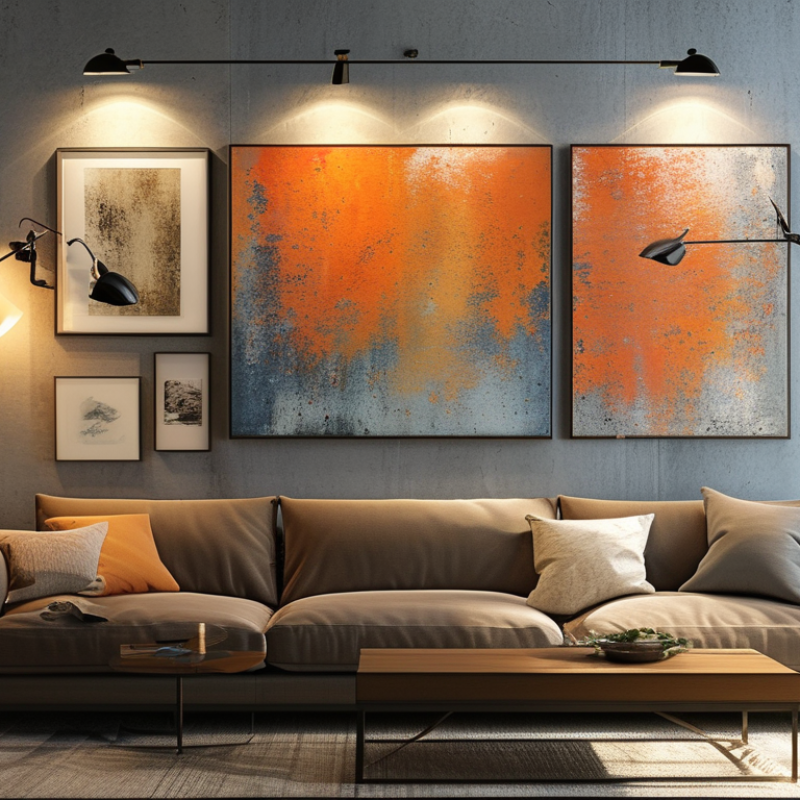
Accent lighting plays a crucial role in enhancing wall art. It brings out the colors and textures that might otherwise go unnoticed. Properly positioned lights can create shadows that add depth, making your artwork more dynamic. This technique not only highlights the art but also transforms the entire room. Selecting a warm color temperature can make a piece feel inviting.
Understanding the benefits of accent lighting is essential. It creates focus and draws attention to specific artworks. Overhead lights may wash out the colors, while targeted lighting can make them pop. However, it’s important to avoid over-illumination. Too much light can create glare and distract from the art’s beauty. Experimenting with angles and intensities is key. Sometimes the best results come from trial and error.
Incorporating accent lighting requires thoughtful consideration. Consider the art's size and material. Different pieces may require different lighting approaches. It’s not always easy to achieve the right balance. Occasionally, adjustments become necessary, and even then, results may not meet expectations. Observe how the light interacts with your space. Reflection and shadow can change throughout the day, offering new perspectives on your art collection.
Choosing the right type of accent lighting for your art pieces is crucial. The right lighting can enhance colors and textures, creating a captivating visual experience. According to a study by the International Association of Lighting Designers, 75% of art gallery owners reported that proper lighting significantly increases the appreciation of artwork.
When selecting lighting, consider the color temperature. A warmer light, around 2700K to 3000K, can make colors appear richer. Cooler lights can wash out details, diminishing the artwork's impact. Positioning matters, too. Fixtures placed at a 30-degree angle can minimize glare while enhancing the art's dimensionality.
Another aspect to reflect on is the type of fixtures used. Track lights offer flexibility, allowing for easy adjustments. However, they might not suit all styles. Wall-mounted sconces can provide a more stable light source but may limit the range of illumination. According to research by the American Society of Interior Designers, approximately 58% of homeowners overlook the importance of these details, often leading to underwhelming visual results.
Accent lighting can transform wall art into stunning focal points. Proper placement of lights is crucial in achieving this effect. Start by considering the angle. Spotlights should be directed at a 30-degree angle to the art. This allows for even illumination without creating harsh shadows. Wall-mounted fixtures can provide a subtle wash of light, enhancing texture and color.
The position of your lights matters. Ideally, they should be placed about 12 to 18 inches above the artwork. This height helps in creating a balanced look. Experiment with distance to see how it affects the overall ambiance. Too close, and you risk overwhelming the piece. Too far, and it might get lost in the room. Additionally, dimmable options give you flexibility in mood setting.
Reflecting on these strategies, consider how different light temperatures affect perception. Warmer tones can create a cozy atmosphere. Cooler lights may exhibit a modern feel. Each choice influences how viewers connect with your art. Remember, it's about trial and error. Don't settle for the first attempt. Assess what works best in your space and adapt as needed.
Accent lighting plays a crucial role in enhancing the beauty of wall art. To achieve optimal display, adjusting brightness and color temperature is essential. Brightness should complement the art without overpowering it. Too much light can wash out colors, making the artwork look flat. Lower brightness levels create a subtle ambiance and allow viewers to appreciate details.
Color temperature is another vital factor. Warmer tones often evoke feelings of comfort and intimacy, highlighting rich hues in paintings. Cooler tones, conversely, provide a modern feel. Experimenting with these settings can transform the perception of art. Consider using dimmable fixtures to tailor the lighting as needed.
Evaluate how different artworks respond to changing light conditions. Sometimes, the perfect setup may require trial and error. A slight shift in lighting can reveal hidden textures or tones. Observing these nuances fosters a deeper connection with the art. Never underestimate the impact of thoughtful lighting on the viewer's experience.
Accent lighting is crucial for enhancing wall art, but keeping it in top shape requires regular maintenance. A study from the Lighting Research Center indicates that proper lighting maintenance can improve artwork visibility by up to 50%. Dirt accumulation and bulb degradation can significantly affect the quality of illumination.
To maintain your accent lighting, start with cleaning fixtures regularly. Dust can dull brightness. Use a soft, damp cloth to wipe down light fixtures. For hard-to-reach areas, consider using a vacuum attachment. A professional report suggests that cleaning lights every few months can extend their lifespan.
Additionally, always check bulb life. Most LED bulbs last about 25,000 hours. However, they can flicker or dim over time. Replacing bulbs in a timely manner maintains consistent art visibility. Inspect the wiring periodically. A simple loose connection can affect performance. Follow these tips for optimal accent lighting and a vibrant display of your cherished art pieces.
: Accent lighting enhances wall art, highlighting colors and textures that may be unnoticed.
It creates depth, transforms the space, and makes artwork more dynamic and inviting.
Size and material of the artwork are key factors. Different pieces need various lighting approaches.
Spotlights should be directed at a 30-degree angle to evenly illuminate the art.
Lights should be about 12 to 18 inches above the artwork for a balanced look.
Yes, excessive light can create glare and distract from the artwork’s beauty.
Adjust angles and distance to see how they affect ambiance. Don’t settle on the first setup.
Warmer tones create coziness, while cooler lights provide a modern feel. Each choice impacts perception.
Light interaction changes throughout the day, offering varied perspectives on your art collection.
It’s okay to rethink your approach. Sometimes it takes time to find the perfect balance.
Accent lighting is a powerful tool for enhancing the visual appeal of wall art in any space. By understanding its benefits, you can effectively showcase your artwork, adding depth and vibrancy to your interiors. To answer the question of how to use accent lighting to highlight wall art, it’s essential to choose the right type of lighting—such as spotlights or picture lights—that complements your art pieces. Moreover, strategic placement of these lights can significantly impact the overall look, emphasizing textures and colors.
Adjusting the brightness and color temperature of the lights is crucial for optimal art display, allowing the artwork to be appreciated fully without detracting from its details. Additionally, maintaining your accent lighting ensures a lasting effect and consistent performance, keeping your wall art in the spotlight. By following these tips, you can create an inviting atmosphere that elevates your art and enhances the overall aesthetic of your space.
LuxPower Light