Are Candle Warmers Safer Than Traditional Candles for Homes?

Time:2026-05-13 Author:Sophia
0%

The safety of home lighting is a growing concern for many. With the enchanting allure of scents and soft glows, candles have been popular for years. However, the question remains: are candle warmers safer than burning traditional candles? This inquiry reflects a shift towards seeking safer alternatives.

Candle warmers offer a unique method of enjoying fragrance without an open flame. They heat wax gently, releasing scents into the air. This process eliminates the risks associated with burning wicks, such as fire hazards. Moreover, many families are drawn to the idea of a safer home environment. Yet, some still wonder if the absence of flames truly mitigates all risks.

Consumer reports suggest that while candle warmers reduce risks of fires, safety isn’t guaranteed. Users must still pay attention to the devices. Overheating and electrical issues can arise if not properly maintained. Thus, exploring the question, "Are candle warmers safer than burning traditional candles?" can lead to a nuanced understanding of home safety. It encourages deeper reflection on practical choices for a healthier, safer living space.
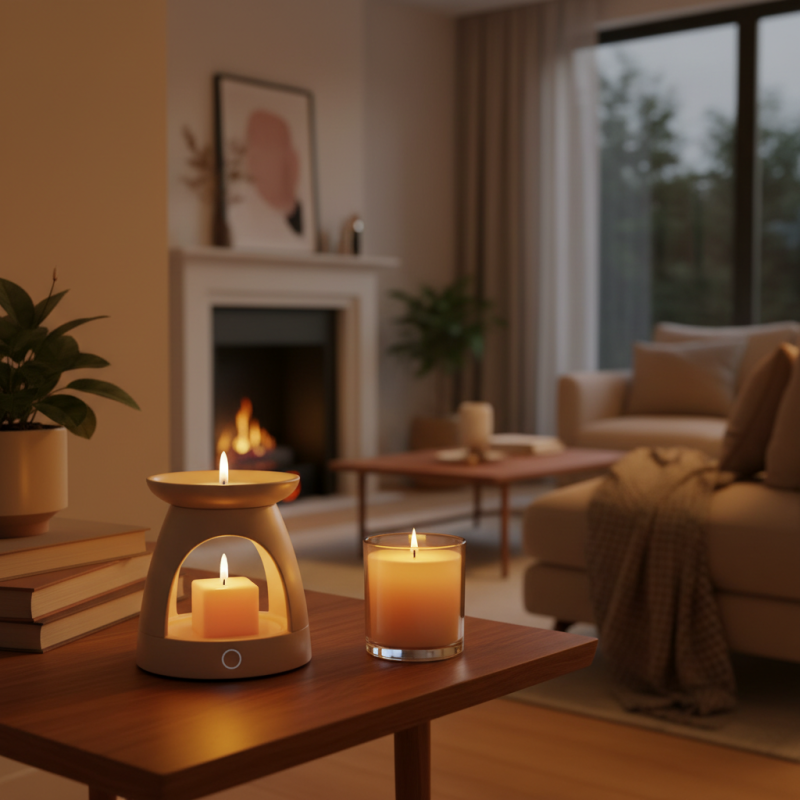
Are Candle Warmers Safer Than Traditional Candles for Homes?

Overview of Candle Warmers and Traditional Candles

Candle warmers are gaining popularity as a safer alternative to traditional candles. These devices melt wax using a heat source, releasing fragrance without an open flame. In contrast, traditional candles can pose risks, such as fire hazards. According to the National Fire Protection Association, candle-related fires account for approximately 3% of all reported structure fires. This statistic highlights the potential dangers associated with using candles in homes.

When using a candle warmer, individuals can enjoy scents with reduced risk. The absence of an open flame means there’s less likelihood of causing accidental fires. Furthermore, candle warmers can be safer for those with pets or small children. Traditional candles, usually left unattended, can become a source of danger.

**Tips:** Always place your candle warmer on a stable surface, away from flammable materials. Consider using electric candle warmers, which provide consistent heat and reduce risks further. Monitor the wax level, as an empty warmer can overheat and break the container, posing a fire risk. While both options have their merits, integrating awareness of their differences is essential for informed choices.

Safety Comparison of Candle Warmers and Traditional Candles

Comparison of Safety Features in Candle Warmers vs. Traditional Candles

Candle warmers are often seen as a safer alternative to traditional candles. They use a low-watt light bulb or heat element to melt wax without an open flame. This reduces the risk of accidental fires caused by unattended burning candles. The absence of flames also minimizes smoke and soot, which can cause respiratory issues.

However, while they appear safer, they are not without risks. Candle warmers can overheat if left on for too long. This raises concerns about wax spills and damage to surfaces. Moreover, not all candle warmers are made of heat-resistant materials. Users should remain vigilant and regularly check their devices.

Traditional candles create ambiance with their flickering light. Yet, they require careful handling. Unattended candles have caused numerous house fires. Proper placement away from flammable materials is essential. The appeal of a cozy glow comes with responsibilities. Each option has its merits and drawbacks. It's important to reflect on what fits best in your home.

Are Candle Warmers Safer Than Traditional Candles for Homes? - Comparison of Safety Features in Candle Warmers vs. Traditional Candles

Feature Candle Warmers Traditional Candles
Open Flame No Yes
Fire Hazard Risk Low High
Soot Production None Yes
Heat Source Electric Flame
Supervision Required Less More
Air Quality Better Can be worse
Ease of Use Easy Moderate
Heat Control Adjustable Not applicable

Potential Fire Hazards Associated with Traditional Candles

Traditional candles have long been a staple for creating ambiance in homes. However, they come with potential fire hazards that many homeowners overlook. The National Fire Protection Association reports that candles caused roughly 8,600 home fires between 2014 and 2018. These fires resulted in 80 civilian deaths, highlighting the significant risks associated with open flames. When a candle is left unattended, it can quickly ignite flammable materials nearby.

Moreover, a study highlighted that 30% of candle-related fires occurred when candles were placed too close to combustible items. This statistic calls attention to the importance of proper candle placement and supervision. Despite their aesthetic appeal, the dangers associated with traditional candles cannot be ignored. The flickering flame, although soothing, can turn hazardous if a candle topples over or burns down too far.

Home safety should be a priority, and the shift toward alternatives like candle warmers is gaining momentum. Candle warmers eliminate the open flame and reduce fire hazards. They heat the wax to release fragrance without combustion, offering a safer option. However, the warmth they provide still requires caution, as overheated wax can cause burns. Understanding these risks is crucial for maintaining a safe living environment.

Health Concerns: Smoke and Soot Emission in Traditional Candles

Traditional candles can emit smoke and soot, raising health concerns for indoor air quality. According to the U.S. Environmental Protection Agency (EPA), burning candles can release compounds like toluene and benzene. These substances may contribute to respiratory issues and indoor air pollution.

Soot produced by traditional candles can accumulate on surfaces, leading to potential health risks. Studies show that prolonged exposure to soot can irritate the lungs. A report from the National Institute of Health indicates that frequent candle use may increase the risk of asthma and allergies in sensitive individuals. In contrast, candle warmers operate without combustion. They heat up wax, minimizing smoke and soot production.

Here are some tips for safer candle use:
1. Opt for candles made from natural waxes. They tend to release fewer toxins and are less likely to harm your health.
2. Ensure proper ventilation. Open windows to allow fresh air to circulate while using candles.
3. Limit the duration of burning candles. This reduces inhalation of harmful substances.

Candle warmers can offer an appealing alternative, providing fragrance without the health risks associated with soot and smoke. Consider switching to these devices for a safer home environment.

User Experiences and Preferences Between Candle Warmers and Candles

Candle warmers have gained popularity as a safer alternative to traditional candles. Many users appreciate them for their reduced fire risk, as there is no open flame involved. According to a report by the National Fire Protection Association, nearly 8% of home fires are caused by candles. This statistic makes candle warmers appealing.

User experiences demonstrate varied preferences. Some people enjoy the soft glow of candles, while others prioritize safety. A survey showed that 65% of respondents felt more at ease using candle warmers, especially in homes with children or pets. Many users reported extended scent duration with warmers, as the wax melts slowly and evenly. This can lead to a more consistent fragrance experience.

However, opinions are not entirely favorable. Some users feel warmers lack the ambiance of traditional candles. The flickering flame creates a comforting atmosphere that many find irreplaceable. Additionally, some candle warmer products may not distribute scent as effectively. As users weigh the trade-offs between aesthetics and safety, their choices reflect personal preferences and lifestyles.

FAQS

: What are the primary safety advantages of candle warmers?

: Candle warmers eliminate open flames, reducing fire risks. They melt wax using low-watt bulbs, which is safer than burning candles.

Can candle warmers pose any risks?

Yes, they can overheat if left on too long. This may cause wax spills and potentially damage surfaces.

How do traditional candles create fire hazards?

Unattended candles can ignite nearby flammable materials. They caused thousands of home fires and numerous fatalities.

What percentage of candle-related fires happen due to placement issues?

Around 30% of these fires occur when candles are too close to combustible items, indicating improper placement can be dangerous.

What health concerns are linked to traditional candles?

Traditional candles emit smoke and soot, which can affect indoor air quality. This may worsen respiratory issues for some individuals.

How can soot from candles affect health?

Prolonged exposure to soot can irritate the lungs. Frequent use may increase the risk of asthma and allergies in sensitive individuals.

What alternative safety tips can be applied when using traditional candles?

Use natural wax candles, ensure proper ventilation, and limit burning time to minimize harmful exposure.

Why might someone consider switching to candle warmers?

They provide fragrance without producing smoke and soot, making them a healthier option for indoor air quality.

Are candle warmers completely safe?

No device is risk-free. Users must check them regularly to prevent overheating and spills.

What should be prioritized when enjoying candles in the home?

Home safety is crucial. Careful candle management and consideration of alternatives can help mitigate risks.

Conclusion

The article "Are Candle Warmers Safer Than Traditional Candles for Homes?" explores the safety and health implications of using candle warmers compared to traditional candles. Candle warmers operate by melting wax without an open flame, which significantly reduces the potential fire hazards associated with traditional candles, such as unattended flames and dripped wax. Additionally, traditional candles emit smoke and soot during burning, posing health risks over time, such as respiratory issues.

User experiences reveal a preference for candle warmers, particularly from individuals concerned about safety and air quality. The comparison highlights that while traditional candles create a cozy ambiance, the risks associated with their use raise questions about their safety in home environments. Ultimately, the inquiry into "Are candle warmers safer than burning traditional candles?" suggests that for those prioritizing safety and health, candle warmers may be the preferable option.

Sophia

Sophia

Sophia is a dedicated marketing professional with an exceptional depth of knowledge about her company's products and services. With a keen understanding of market trends and customer needs, she crafts insightful blog posts that not only inform but also engage readers, enriching the company’s online......