As workplaces evolve, the need for optimal lighting has never been more critical. Many believe that effective illumination can significantly enhance productivity. This brings us to the question: Why are LED office lamps better for long-term concentration?
LED lamps are designed to provide bright, consistent light that minimizes eye strain. Unlike traditional bulbs, LEDs emit a focused light that aids in maintaining alertness. This characteristic is crucial during long hours of work. Researchers support this notion, indicating that proper lighting contributes to better cognitive function.
Additionally, the longevity of LED lamps means fewer replacements, which can be a distraction. Their energy efficiency reduces costs and the environmental footprint. However, not all LED options are created equal. It's important to choose the right color temperature and brightness for individual needs. This complexity can sometimes lead to confusion. A deeper understanding of these elements can maximize the benefits of LED office lamps. Ultimately, the right lighting plays a vital role in sustaining concentration over time.
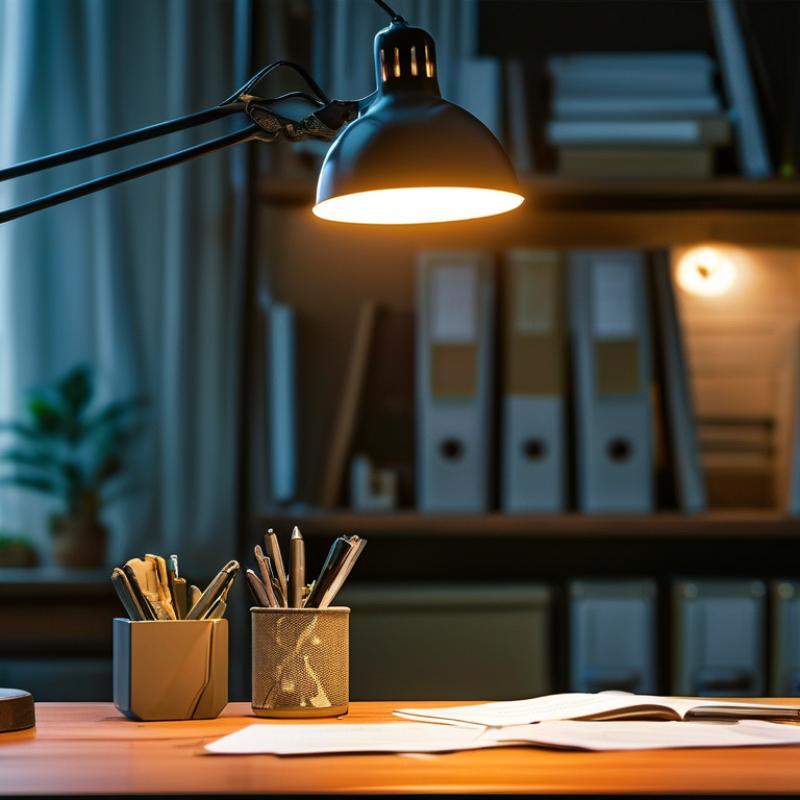
LED office lamps have become essential for enhancing focus and productivity. The light they emit closely resembles natural daylight. This quality can significantly reduce eye strain during long working hours. Employees often report feeling less fatigued when using LED lamps.
Proper lighting can transform your workspace. It promotes alertness and improves mood, which are vital factors for concentration. Consider positioning your LED lamp to minimize glare on your screens. This small adjustment can lead to noticeable differences in comfort and focus.
Tips: Ensure the color temperature of your lamp is between 4000K and 5000K. This range mimics daylight, helping to keep you awake. Take breaks to step away from artificial light. Natural light can refresh your mind and prevent burnout. Experiment with lamp brightness to find your ideal setting for optimal focus.
LED lighting has become a popular choice for office environments, especially regarding long-term concentration. One key advantage is its ability to reduce eye strain, a common issue during extended working hours. Research indicates that nearly 60% of employees report discomfort from traditional fluorescent lights. These lights flicker at high frequencies, which can lead to fatigue and distraction. In contrast, LED lights provide a steady stream of illumination. This stability helps maintain focus and boosts productivity.
A study by the American Optometric Association suggests that proper lighting can enhance visual comfort and decrease visual fatigue. LED office lamps can emit a spectrum that closely resembles natural light. This quality can increase alertness and creativity. Additionally, LEDs do not emit excessive heat, making them safer for prolonged use. More importantly, they consume less energy—up to 80% less than incandescent bulbs—making them a practical choice for sustainable workplaces.
However, not all LED lights are created equal. Some may produce a harsh glare, which can counteract their benefits. Workers need to choose LEDs with appropriate color temperatures. Ideally, lighting should be around 4000K to 5000K. It's essential to assess these factors, as inappropriate lighting can lead to increased discomfort and difficulty concentrating. By carefully selecting LED fixtures, offices can create an environment conducive to long-term focus and well-being.
Adjustable brightness in LED office lamps plays a crucial role in enhancing concentration. Brightness levels can be tailored to individual preferences and specific tasks. This flexibility helps create an ideal working environment. A dimmer light is soothing for tasks requiring creativity, while brighter light can energize focus during analytical tasks.
Research shows that lighting affects our mood and productivity. Office workers often report increased concentration when they can control light intensity. Too bright or too dim lighting can lead to fatigue or distraction. Finding the right balance is vital. One study highlighted that workers prefer adjusting light settings for peak performance times. It highlights the need for awareness in light management.
Not everyone may notice immediate changes from adjustable lighting. Some might require time to adapt. Experimenting with brightness can lead to unanticipated insights about personal productivity. Everyone has unique preferences. It's essential to reflect on what works best for you. Understanding your response to different light levels can enhance work efficiency over time.
LED lamps have become a popular choice for office environments, thanks to their energy efficiency. According to the U.S. Department of Energy, LED lighting uses up to 75% less energy than traditional lighting. This efficiency translates into reduced energy bills and a smaller carbon footprint. A well-lit workspace improves employee comfort, which directly affects productivity and concentration levels.
One study found that brighter, energy-efficient lighting can enhance mood and reduce fatigue. When employees feel comfortable, they tend to focus better on tasks. Moreover, LED lighting produces less heat, maintaining a cooler environment. This factor is crucial in places where air conditioning may be limited.
Tips: Adjust your LED lighting to mimic daylight. This can enhance alertness and reduce eye strain. Experiment with different brightness levels too. You may find a sweet spot that maximizes focus. Remember, optimizing light conditions can lead to better workplace morale and effectiveness.
| Reason | Benefit | Impact on Concentration |
|---|---|---|
| Energy Efficiency | Lower electricity bills | Less distraction from costs |
| Reduced Eye Strain | Improved comfort | Enhanced focus |
| Long Lifespan | Fewer replacements | Reduced interruption |
| Better Color Rendering | Enhanced visual acuity | Improved clarity of tasks |
| Adjustable Brightness | Personalized lighting | Better mood and focus |
| Instant Start | No warm-up time | Minimized distractions |
| Lower Heat Emission | Comfortable work environment | Less fatigue |
| Environmentally Friendly | Reduced carbon footprint | Increased morale |
| Quiet Operation | Distraction-free environment | Enhanced concentration |
| Versatile Design | Stylish aesthetics | Improvement in workplace atmosphere |
Color temperature plays a crucial role in shaping mood and cognitive function in office environments. Warm colors, like soft yellows and oranges, can create a cozy atmosphere. This warmth often makes individuals feel relaxed and comfortable. In contrast, cooler colors, such as blue and white, can energize the mind. They enhance focus and creativity, driving productivity.
Moreover, the right color temperature aids in reducing eye strain. Poor lighting can lead to discomfort and fatigue. Striking the right balance with LED lamps can lighten the mood and optimize mental clarity. However, it’s surprising how many offices overlook this aspect of lighting. A common mistake is opting for harsh fluorescent lighting that may disrupt concentration.
Remember, lighting affects everyone differently. Some might prefer warmer hues, while others thrive in cooler settings. Finding the ideal temperature for your workspace requires testing and adjustment. Listening to individual preferences could enhance overall performance. Balancing aesthetic appeal and functionality is key to creating a stimulating work environment.
: LED lamps use 75% less energy, reducing bills and carbon footprint. They also improve comfort and productivity.
Brighter, energy-efficient lighting enhances mood. Comfortable employees can concentrate better and feel less fatigued.
Warm colors create a cozy feel, while cooler colors boost focus and creativity. Balance is important.
LED lights produce less heat compared to traditional options, helping maintain a cooler environment for comfort.
Different brightness levels can enhance alertness and reduce eye strain. Experimenting helps find the best setting.
Yes, poor lighting can lead to discomfort and fatigue. It’s crucial to find the right lighting to enhance performance.
Everyone reacts differently to lighting. Testing and listening to preferences can enhance overall workplace performance.
Many offices use harsh fluorescent lighting, which disrupts focus and concentration. Warmer, softer options may be better.
Optimizing light for comfort can improve morale and effectiveness, creating a more positive work environment.
Proper lighting enhances mental clarity and reduces eye strain, linking it directly to improved cognitive performance.
LED office lamps offer multiple advantages that significantly enhance long-term concentration in work environments. One of the primary reasons is their ability to reduce eye strain, which is crucial during extended working hours. With less fatigue, employees can maintain focus on tasks for longer periods. Additionally, the adjustable brightness feature of LED lamps allows individuals to customize light intensity, impacting their concentration levels positively by providing optimal lighting conditions tailored to their needs.
Moreover, the energy efficiency of LED lighting not only fosters a more comfortable workplace but also supports sustainability efforts, creating a more pleasant atmosphere conducive to productivity. The influence of color temperature on mood and cognitive function further emphasizes why LED office lamps are better for long-term concentration. Warm or cool light can be strategically used to enhance mental alertness or relaxation, making LED lamps an ideal choice for improving focus and overall work performance.

LuxPower Light