Why is my solar wall light not turning on at night? This common problem can feel confusing, especially when the panel charged under bright afternoon sunlight. A dark garden wall, a silent sensor, and a light that worked yesterday often point to several possible causes. The issue may involve the power switch, rechargeable battery, solar panel, motion sensor, or installation position.
In practical troubleshooting, small details matter. Check whether the light’s switch is set to “ON,” not “OFF” or “AUTO.” Cover the panel briefly during daylight to test whether the lamp responds. Look for dust, leaves, water marks, or nearby lighting that may confuse the sensor. A streetlamp or porch bulb can keep the solar light from activating at night. Cold weather and several cloudy days can also reduce battery performance.
Start with simple checks.
If the light remains off, inspect the battery for corrosion, swelling, or poor contact. Replace it only with the correct rechargeable type recommended by the manufacturer. Do not use ordinary disposable batteries. Also, confirm that the panel receives direct sunlight for several hours. Nearby trees may have grown since installation, and seasonal shadows are easy to miss. I have found that quick assumptions often lead to unnecessary replacements. Sometimes, cleaning the panel solves the problem. Sometimes, it does not. This guide explains reliable testing steps, common faults, and when professional help may be appropriate. Always follow the product manual and avoid opening sealed electrical components without proper guidance.
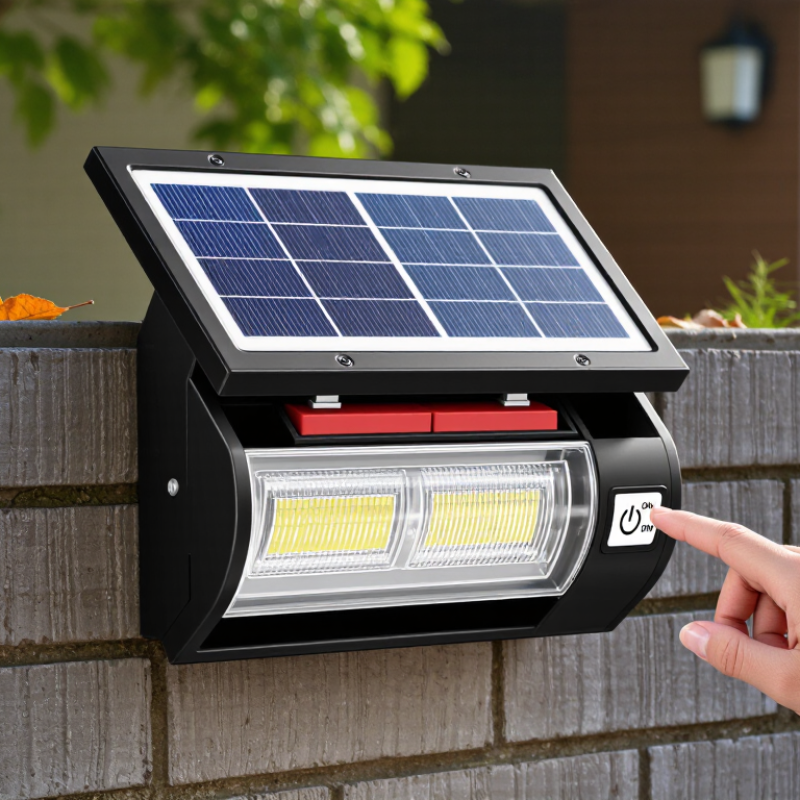
A solar wall light that stays dark may simply be switched off. Find the small power button or slider, often beneath the lamp head or near the mounting plate. Set it to ON, then cover the solar panel briefly after dusk to test whether the lamp responds. Some models also have a MODE button. Press it until the desired setting appears; motion-only mode may stay dark until movement is detected. Stand back, wait, and wave a hand across the sensor. It can be fussy.
Check the manual for startup instructions, since some lights need a first full charge or a protective tab removed from the battery compartment. Keep the panel uncovered during daytime charging. A nearby porch lamp can trick the light sensor into thinking it is still daytime, even when the sky looks dark. Move the light’s sensor out of that glare and retest it after sunset.
In a technical review, the U.S. National Renewable Energy Laboratory reported a median photovoltaic module degradation rate of about 0.5% per year. That figure describes gradual aging, not a sudden switch failure, but it helps explain why an older panel may charge less effectively. If the switch is on and the mode is correct, inspect the battery contacts for looseness or corrosion before assuming the panel has failed.
A solar wall light may stay dark because its panel receives less daylight than expected. Check it during the day, not only at night. Dust, pollen, bird droppings, and dried rain marks can form a thin film over the surface. Even a small patch of grime may reduce charging. Wipe the panel gently with a soft, damp cloth, then let it dry. Avoid abrasive pads; they can scratch the cover.
Look for shade across the panel at different times. A branch may cast a narrow shadow in the morning, while a roof edge blocks afternoon sun. Nearby walls can also limit exposure. Small shadows matter. If practical, adjust the light so the panel faces a brighter part of the sky and is not tilted toward the ground. Check again after repositioning; the best angle depends on the installation and local sunlight, so a quick guess may not be enough.
Give the light a full sunny day to recharge before judging the result. Cloudy weather, short winter days, or a recently shaded location can leave the battery low even after cleaning. I once assumed a panel was clean because it looked clear from below, but a close inspection showed a dusty edge. It is easy to miss. If the panel is clean and unshaded but the light still will not turn on after adequate charging, inspect the switch and battery according to the product instructions.
A solar wall light that stays dark after sunset may have a tired rechargeable battery. Check it before replacing other parts. Turn the light off, then place it in direct sunlight for a full day. Wipe dust from the panel with a soft, damp cloth; even a thin film can reduce charging. At dusk, switch the light on and observe it in a dark area. Keep nearby porch lights off during the test, since some sensors mistake artificial light for daylight.
If the lamp still fails, open its battery compartment according to the instructions. Note the battery type, voltage, and polarity, then inspect for corrosion, swelling, or leakage. Do not handle a damaged battery with bare hands. Replace it only with a compatible rechargeable battery, never an ordinary disposable cell. Fit the new battery firmly, matching the positive and negative marks. Small details matter.
Recharge the light for a day before judging the result. A battery can seem faulty when clouds, winter shade, or a poorly positioned panel caused the problem. If a compatible replacement changes nothing, check the switch, sensor, and wiring for loose connections, or contact a qualified repair professional. A little trial and error is normal. Keep the old battery away from children and arrange disposal through an appropriate battery collection point.
Examine the Light Sensor, LED, and Internal Wiring
A solar wall light depends on more than a charged battery. Its light sensor must detect darkness before the LED switches on. Wipe the small sensor window with a soft, dry cloth. Then check whether a porch lamp or bright window is shining directly onto it. Even a little stray light can keep the unit in daytime mode. Move the light if needed, and test it after dusk.
If the sensor seems clear, inspect the LED and wiring. Look for moisture, corrosion, or loose connections inside the accessible battery compartment. Switch the light off before opening it, and avoid pulling on thin wires. A damaged LED may look dark even when the sensor works. Some units have sealed housings, so don’t force them open; that can worsen the problem. I’ve found that a brief daytime test can be misleading, since many lights behave differently in bright conditions.
Tips: Cover the sensor briefly with your hand after dark. If the LED turns on, the sensor likely works. Check that the panel receives several hours of direct sun, too. If wiring looks frayed or wet, stop testing and replace the unit or seek qualified help.
If your solar wall light stays dark, try a simple reset before taking it apart. Switch it off, then leave it off for about 30 seconds. Turn it back on and let it charge in direct sunlight during the day. Some fixtures have a small mode button or separate power switch; check the product instructions, since controls vary. It may seem obvious, but the switch can be easy to miss.
Test it after dusk, away from porch lights or bright windows that may fool the light sensor. Wipe dust, pollen, or dried rain from the solar panel with a soft, damp cloth, then dry it gently. Check that branches or a wall edge do not shade the panel. Small changes in sunlight matter. I once assumed a cloudy afternoon had provided enough charge; it had not.
Use dry hands and keep the fixture away from standing water while checking it. If you need to reach it, use a stable ladder on level ground, or ask someone to help. Do not pull on wires, puncture the battery, or open a sealed housing. Stop if you see swelling, corrosion, cracked plastic, or water inside. The battery may need replacement, but use only a compatible type listed in the instructions. If the light still fails after a sunny day and a reset, contact a qualified repair professional. The fault may be inside.
Common troubleshooting checks for a solar wall light that stays off after dark.
Start by resetting the fixture and confirming that the power switch is set to ON. Clean the solar panel, move the light away from artificial light sources, and allow the battery to charge in direct sunlight. If the light still does not turn on, inspect the battery and wiring safely, switching the fixture off before opening any cover.
Its panel may receive too little daylight. Dirt, shade, poor positioning, or a low battery can prevent operation. Check it during the day.
Wipe it gently with a soft, damp cloth. Remove dust, pollen, droppings, and dried rain marks. Avoid abrasive pads. They can scratch the surface.
Yes. A narrow branch shadow may block morning sunlight. A roof edge or nearby wall may reduce afternoon exposure. Small shadows matter.
Aim the panel toward a brighter part of the sky. Avoid tilting it toward the ground. Recheck the light after repositioning. A quick guess may fail.
Give it one full sunny day to recharge. Cloudy weather and short winter days may require more time. Do not judge it immediately.
A porch lamp or bright window may shine on the sensor. Wipe the sensor with a soft, dry cloth. Test the light after dusk.
After dark, briefly cover the sensor with your hand. If the LED turns on, the sensor probably works. Daytime tests can mislead.
Switch it off before opening the accessible battery compartment. Look for moisture, corrosion, loose connections, or frayed wires. Do not pull thin wires.
Inspect the battery and switch according to the product instructions. A damaged LED may remain dark. Do not force open a sealed housing. Stop testing if wiring looks wet or damaged.
If you are wondering, “Why is my solar wall light not turning on at night?”, begin by checking the power switch and confirming that the fixture is set to its nighttime or automatic operating mode. Next, inspect the solar panel for dust, leaves, shade, or poor positioning that may prevent it from receiving enough sunlight during the day. Cleaning the panel and adjusting its angle can improve charging performance.
If the light still does not work, test the rechargeable battery and replace it if it no longer holds a charge. Also examine the light sensor, LED, and internal wiring for visible damage, loose connections, or signs of wear. A simple reset may restore normal operation after these checks. Always switch off the fixture before opening it, handle electrical components carefully, and avoid repairs that exceed your skills. If the problem continues, seek assistance from a qualified professional.

LuxPower Light