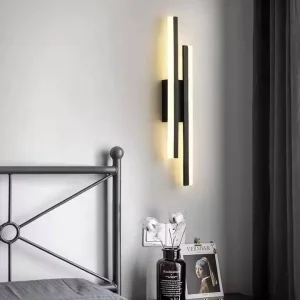
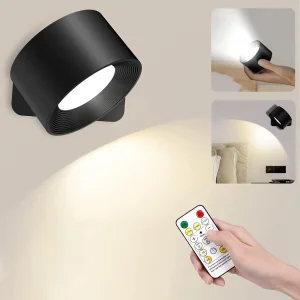
Explore our premium grade robust fixtures designed to withstand aggressive weather patterns, salt-spray exposure, and architectural stress.
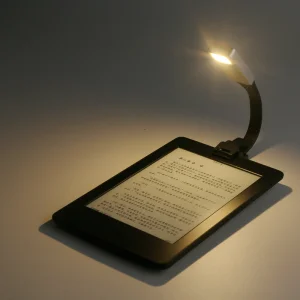
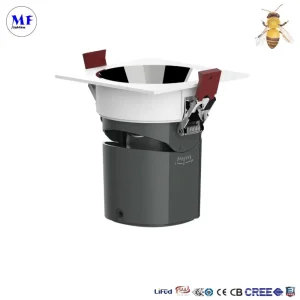
At Shenzhen LuxPower Light Co., Ltd., we transform simplicity into smart elegance. Through minimalist design, innovative technological implementation, and advanced precision engineering, we deliver comprehensive lighting solutions that combine intuitive functionality with long-lasting structural durability. Our corporate mission focuses on making high-performance architectural, industrial, and specialized marine-grade outdoor lighting accessible to global partners—seamlessly balancing premium materials, effortless installation mechanics, and sustainable, energy-efficient operations.
With our solid foundation in LED innovation and smart lighting technologies, LuxPower delivers engineered systems designed to thrive under stressful environments. From modern commercial properties to demanding coastal infrastructures, our products are built to endure harsh conditions, ensuring reliable luminosity where standard lighting fails.
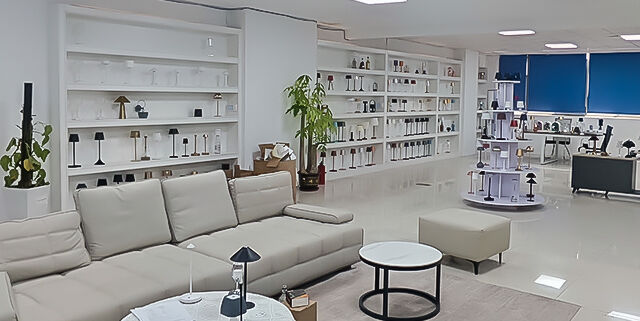
An overview of our core engineering capabilities, customization models, and global logistics support structures.
In standard architectural installations, atmospheric conditions are predictable. However, coastal zones, estuaries, offshore industrial setups, and shipping terminals face C5-M (Marine) atmospheric corrosion. Under the ISO 12944 standard, this is the most severe environmental classification, characterized by high salinity, constant condensation, and high chemical exposure. Standard outdoor lighting components manufactured using low-grade die-cast aluminum or standard 304 stainless steel quickly suffer from galvanic and pitting corrosion, leading to mechanical and electrical failures within months.
To design true marine-grade outdoor lighting, manufacturers must adhere to a strict selection of materials and surface treatments. The baseline requirement begins with materials containing low copper content (less than 0.1%), such as A360 or A380 structural aluminum alloys, or transitioning entirely to high-performance 316L (low carbon) marine-grade stainless steel or pure copper. These substrates must undergo an intensive preparation process consisting of chemical conversion coatings, followed by multi-layered electrostatic powder coating (often thermosetting TGIC polyester or fluorocarbon coatings) exceeding 100 microns in dry film thickness. This ensures protection during long-term ASTM B117 salt spray testing, typically rating up to 1,000 to 3,000 hours without bubbling, peeling, or rust creeping.
| Material / Metric | Standard Architectural Grade | True Marine Grade (LuxPower Specification) | Primary Industrial Benefit |
|---|---|---|---|
| Base Metal Substrate | Recycled ADC12 Aluminum (High Copper) | A360/A380 Copper-Free Alloy or 316L SS | Prevents galvanic degradation and pitting corrosion in high-salinity zones. |
| Salt-Spray Testing | 240 to 500 Hours (ASTM B117) | 1,000 to 3,000+ Hours (ASTM B117) | Guarantees structural integrity over decades in saltwater-laden atmospheres. |
| Ingress Protection | IP65 (Dust-tight, water jets) | IP67, IP68, or IP69K (Submersion / Jet spray) | Ensures internal electronics remain bone-dry under high-pressure tides. |
| Fastener Composition | Grade 304 Stainless Steel / Carbon Steel | Titanium-plated or Grade 316 Stainless Steel | Eliminates thread binding, crevice rust, and structural joint failures. |
| Optical Shielding | Standard Acrylic / Low-grade Glass | UV-stabilized Polycarbonate / Tempered Borosilicate | Prevents lens yellowing, clouding, and thermal shock cracking. |
The global marine-grade outdoor lighting market has seen a massive shift in procurement standards. Driven by the expansion of automated shipping docks, cruise line infrastructures, offshore wind energy farms, and high-end coastal eco-tourism, projects can no longer afford high maintenance cycles. Lighting replacement on an offshore gas platform or a container shipping crane is not merely a replacement cost—it involves specialized marine crews, crane hire, site shutdowns, and significant liability insurance, making long-term reliability the most important factor in cost considerations.
Additionally, modern environmental regulations are tightening globally. Coastal developments must comply with dark-sky initiatives and marine wildlife protection acts (such as the Florida Fish and Wildlife Conservation Commission requirements for turtle-friendly lighting). These regulations mandate precise beam angles, minimal glare, and specific amber wavelengths (560-620nm) to prevent disorienting wildlife. True marine-grade suppliers must design systems that not only withstand the elements but also adapt to these localized ecological requirements.
Optimizing lighting systems for varied global maritime environments, from sub-zero northern shipping ports to high-humidity tropical resort fronts.
Environmental Conditions: Sub-zero winters, heavy ice accumulation, high vibration from cargo cranes, and salt-laden sleet.
Lighting Solutions: Integrated thermal heating paths to melt snow buildup, ultra-precise mechanical brackets (0.01° adjustment accuracy) to counter constant wind loads, and IP69K sealing to withstand high-pressure de-icing procedures.
Environmental Conditions: Intensely high UV exposure, constant humidity exceeding 90%, localized high salt spray, and strict aesthetic requirements.
Lighting Solutions: Low-profile architectural luminaires featuring double-layer fluorocarbon coatings, dark-sky shields, and turtle-friendly warm spectra (amber LEDs) that blend with luxury aesthetics while meeting local environmental protection laws.
Environmental Conditions: Explosive atmospheric zones (ATEX/IECEx requirements), constant exposure to crude oils, drilling muds, salt spray, and extreme power grid fluctuations.
Lighting Solutions: Explosion-proof cast enclosures, wide-voltage drivers (110V–270V) with robust surge protection (up to 10kV), and high-vibration resistant COB light engines.
The future of marine-grade lighting lies in the integration of smart systems, self-healing materials, and autonomous energy solutions. At Shenzhen LuxPower Light Co., Ltd., we are actively tracking and investing in several breakthrough areas to maintain our position at the forefront of the industry:
1. IoT-Connected Maritime Networks: Traditional wire-based communication systems are prone to failure in saltwater environments due to cable degradation. We are pioneering wireless control protocols (using LoRaWAN and secure sub-GHz mesh networks) that allow port operators to monitor the status of every single light fixture, measure power consumption, and receive automatic failure alerts without requiring physical wire diagnostics.
2. Bio-Mimetic Anticorrosion Nanotech: We are testing nano-engineered hydrophobic coatings inspired by nature. These coatings repel moisture at a microscopic level, ensuring that salt crystals cannot bond to the luminaire housing, making the fixture self-cleaning through standard rainfall.
3. Advanced Thermal Dynamics: As LED chips increase in density and output, thermal management becomes critical. Our R&D division is focusing on graphite-core thermal conductors that transfer heat away from key electronics twice as fast as traditional aluminum heat-sinks, ensuring driver longevity even in warm, tropical marine climates.
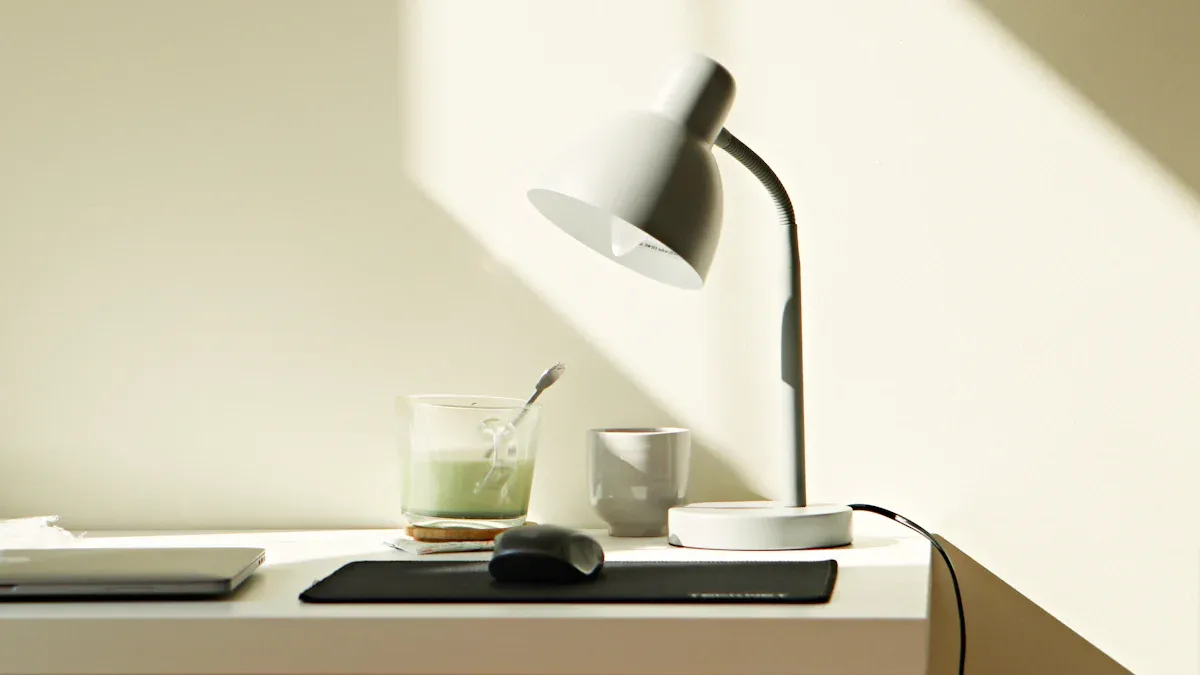
Our integrated workflow guarantees that your project transitions smoothly from initial conceptual sketch to on-site implementation. We combine industrial design, 3D visualization, fast prototyping, and professional product rendering to accelerate your go-to-market timeline and strengthen your project presentation.
By keeping all processes—from mechanical calculation to optical verification—under one roof, we maintain full quality control, minimize logistical delays, and deliver reliable custom fixtures at competitive, bestseller-oriented pricing.
Direct technical answers from our engineering division regarding specification, installation, and maintenance of marine lighting.
Explore our wider catalog, bridging home decor, commercial spotlights, agricultural solutions, and smart utility lights.
 LuxPower Light