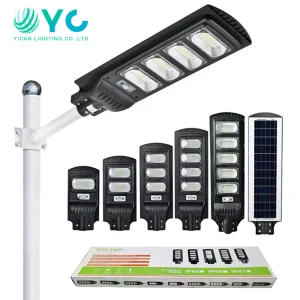
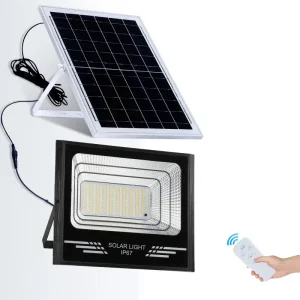
Engineered to withstand the intense UV levels and high-altitude temperature fluctuations of Maseru, Mafeteng, and the Maloti Mountains.
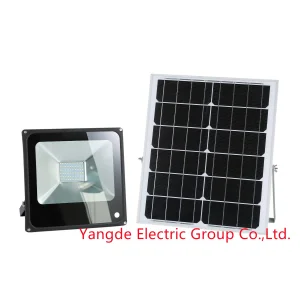
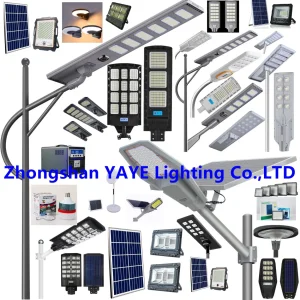
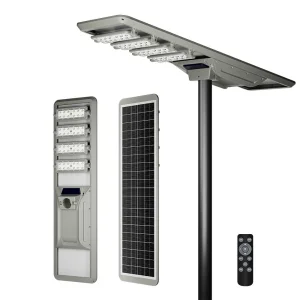
Analysing grid independence, geographic lighting parameters, and thermal-durability standards for the Southern African market.
Lesotho, geographically situated as a landlocked high-altitude country completely enclosed by South Africa, experiences unique energy constraints. With a mountainous terrain ranging from 1,400m to over 3,400m above sea level, extending grid connection via traditional transmission poles presents severe engineering and financial bottlenecks. Off-grid decentralized solar energy systems—particularly commercial and municipal-grade solar wall lights and localized street illumination—have transitioned from auxiliary systems to foundational infrastructure assets.
According to national energy studies, over 55% of the rural population in the Maloti Highlands lacks direct access to the main utility grid managed by the Lesotho Electricity Company (LEC). The high sun exposure index of Lesotho, which averages over 300 cloudless days annually, creates an optimal environment for high-efficiency solar harvesting. However, configuring standard solar devices without considering the unique geographical characteristics leads to high failure rates in municipal lighting projects.
For B2B importers, construction contractors, and electrical distributors in Maseru, procuring solar wall lights demands technical verification of battery chemistry, driver technology, and protective coatings. Standard residential lights bought in bulk from common wholesale sites frequently fail after a few months due to battery degradation from night-time temperature dips. When planning procurement, engineering firms must specify LiFePO4 (Lithium Iron Phosphate) battery systems equipped with active Battery Management Systems (BMS) that regulate charge/discharge cycles in extreme cold temperatures.
Providing industrial-grade solar architectures designed for durability, intelligence, and zero-carbon grid-neutral integration.
Our BMS modules utilize specific low-temperature thresholds and intelligent thermal insulation wrap, ensuring lithium cells continue to charge efficiently even in cold Lesotho winters.
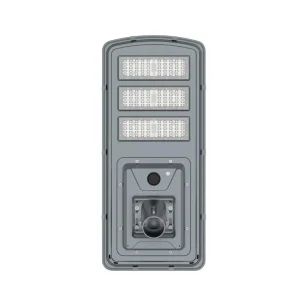
Providing high-definition smart surveillance solutions powered fully by independent monocrystalline PV panels. Highly critical for decentralized industrial operations and security monitoring.
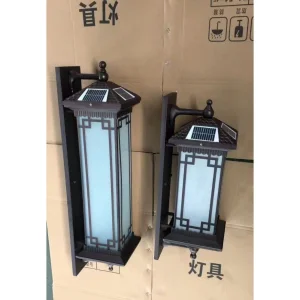
Constructed utilizing heavy-duty aircraft grade ADC12 aluminum alloys and UV-stabilized paint layers. Guaranteed no peeling, fading, or material degradation in dry, thin high-elevation mountain air.
LuxPower is systematically migrating its industrial product catalogue toward Maximum Power Point Tracking (MPPT) controllers. While traditional PWM controllers lose up to 30% of energy during low-light conditions, MPPT dynamic sweep algorithms extract up to 98% of potential solar power, ensuring uninterrupted garden, street, and safety illumination. This technology is vital for public infrastructure and corporate plants in Lesotho during winter months when sun positions shift lower along the northern horizon.
Bridging global design excellence with professional high-volume engineering capabilities.
Shenzhen LuxPower Light Co., Ltd. transforms simplicity into smart elegance. Through minimalist design and precision engineering, we deliver lighting solutions that combine intuitive functionality with timeless aesthetics. Our mission is to make high-performance lighting accessible to everyone—balancing premium quality, effortless installation, and long-lasting, sustainable durability.
With a strong foundation in LED innovation and smart lighting technology, LuxPower focuses on creating products that enhance both residential and commercial environments. From modern workspaces to cozy home interiors, our lighting is designed to elevate everyday experiences.
Our desk lamps and lighting solutions illuminate homes, offices, and commercial spaces across Europe, North America, and Southeast Asia. Inspired by global design trends—from Scandinavian minimalism to natural, tropical elements—we create versatile lighting that adapts to diverse lifestyles. Today, our products are exported to 50+ countries and regions worldwide, supported by a reliable global supply chain and localized service capabilities.
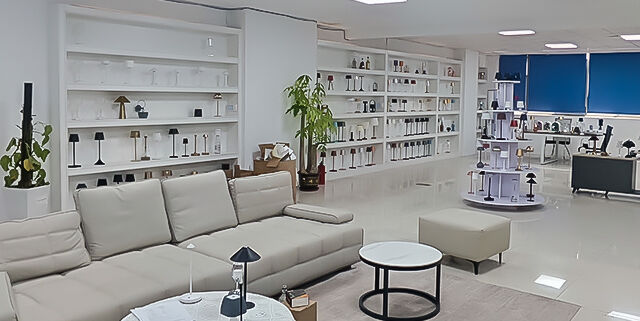
Every single product undergoes strict quality testing to ensure performance in extreme environments, from Nordic winters to humid tropical climates. Key features of our lighting architectures include:

▸ Design-to-Delivery Ecosystem
From initial industrial sketches and CAD drawings, through to 3D visualization, fast hardware-in-the-loop prototyping, and in-house professional product photography. This complete cycle ensures rapid production runs, zero documentation loss, and a highly professional brand representation to win tenders.
▸ Customer-Centric DNA
With 24/7 technical support access, detailed preventive maintenance guidance manuals, and localized partner frameworks. Each distributor/contractor partner is assigned a dedicated account specialist to handle custom manufacturing pipelines and streamline transit routing via major African sea corridors.
▸ Value Multiplier
By leveraging scalable manufacturing and robust supply chains, we provide highly competitive, bestseller-oriented pricing structures, highly flexible ODM cooperation arrangements, and scale-up models designed to support growing local enterprises.
High-efficiency, sensor-driven products built for long lifespans, low maintenance, and architectural harmony.
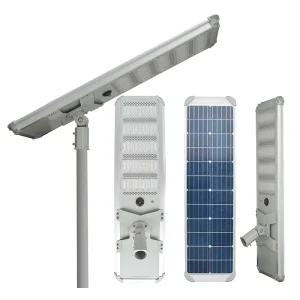
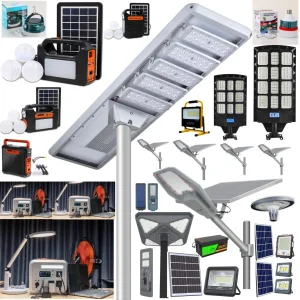
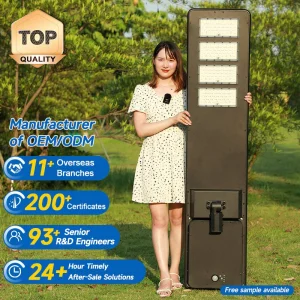
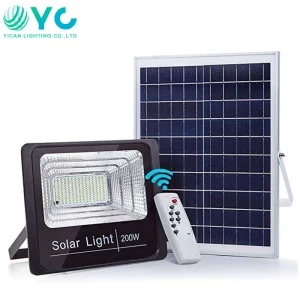
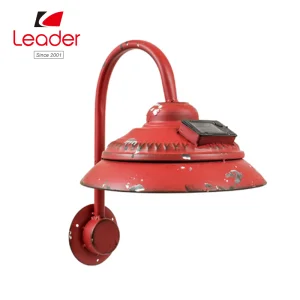
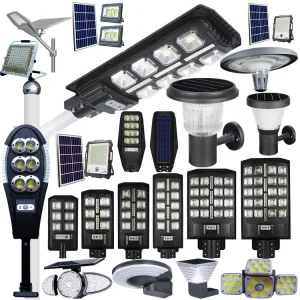
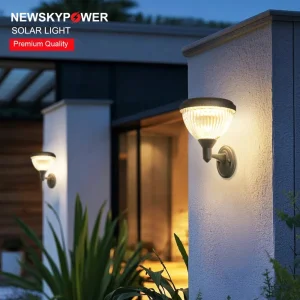
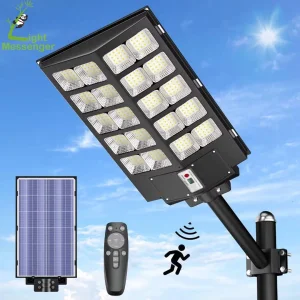
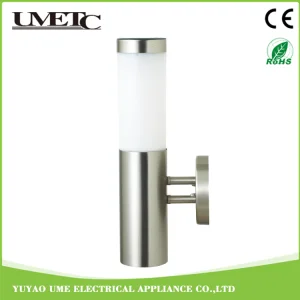
Providing clear import pipelines, cross-border custom solutions, and regional Southern African support.
As a member of the Southern African Development Community (SADC) and the Southern African Customs Union (SACU), imports into Lesotho are subject to harmonized border regulations. When ordering large commercial lighting shipments from our manufacturing hub in Shenzhen, shipments are typically routed through the Port of Durban (South Africa). From Durban, cargo is transported inland via the secure N3/N5 road corridor directly to Maseru, Maputsoe, or Mafeteng border posts.
Our trade documentation department handles all necessary cross-border certificates, including Certificate of Origin (Form A) for SADC duty reduction or exemption where applicable, CE certification, and comprehensive inspection reports to ease processing by the Lesotho Revenue Authority (LRA).
For large architectural projects, urban street lighting retrofits, or mine security fortification, our technical support engineers provide detailed Dialux simulation studies to verify light distributions, mounting height parameters, and spacing ratios. Contact us directly to configure customized solar lighting profiles matching the exact requirements of your site.
Resolving practical technical, trade, and installation queries for Lesotho importers and contractors.
 LuxPower Light